
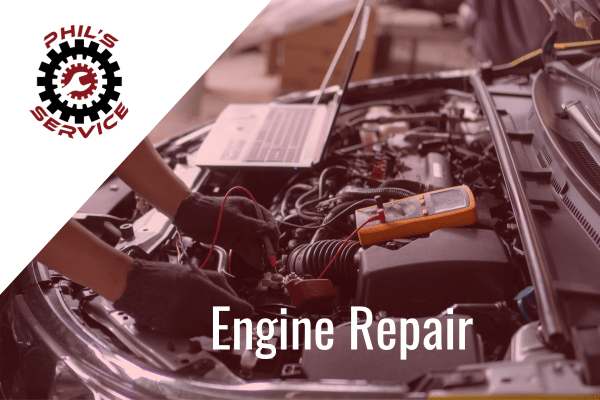
When an internal car’s computer engine identifies a problem with the transmission or the Engine, it turns on the light the engine checks. The reasons behind this check on the engine light to turn on can bring about variation from something minor, such as losing the gas cap, to something major, such as a catalytic converter.
When does your check engine light come on?
When deciding when does your check engine light comes on? the first and foremost thing is to check the gas cap. Most of the vehicles have a loose gas cap indicator, which is mostly triggered before the Engine checking light turns on. When the gas cap turns loose, or the seal happens to be loose, the leakage of the vapor can lead the system of the fuel to trigger checking the light of the Engine.
An oxygen sensor that is faulty will keep on returning the check engine warning each and every time. It happens to be the main reason why the light of the check engine comes on while one is driving the automobile. Some of the noises that are heard when the Engine becomes faulty will lead to backfiring, popping, hissing, and knocking. These sounds could lead to major problems inside the flow of combustion.
In conclusion, If your Engine fails and then loses power, It may be good to shift into neutral, put on the emergency flashers, and find a safe place to pull over. It can be challenging to steer, and one may lose the brake’s power. One is asked to be cautious when deciding to proceed if the Engine starts acting up while still driving.